
Company News · Research Center Opening
LUMIRABIO Opens Its Peptide and Nucleic Acid Drug Innovation Research Center
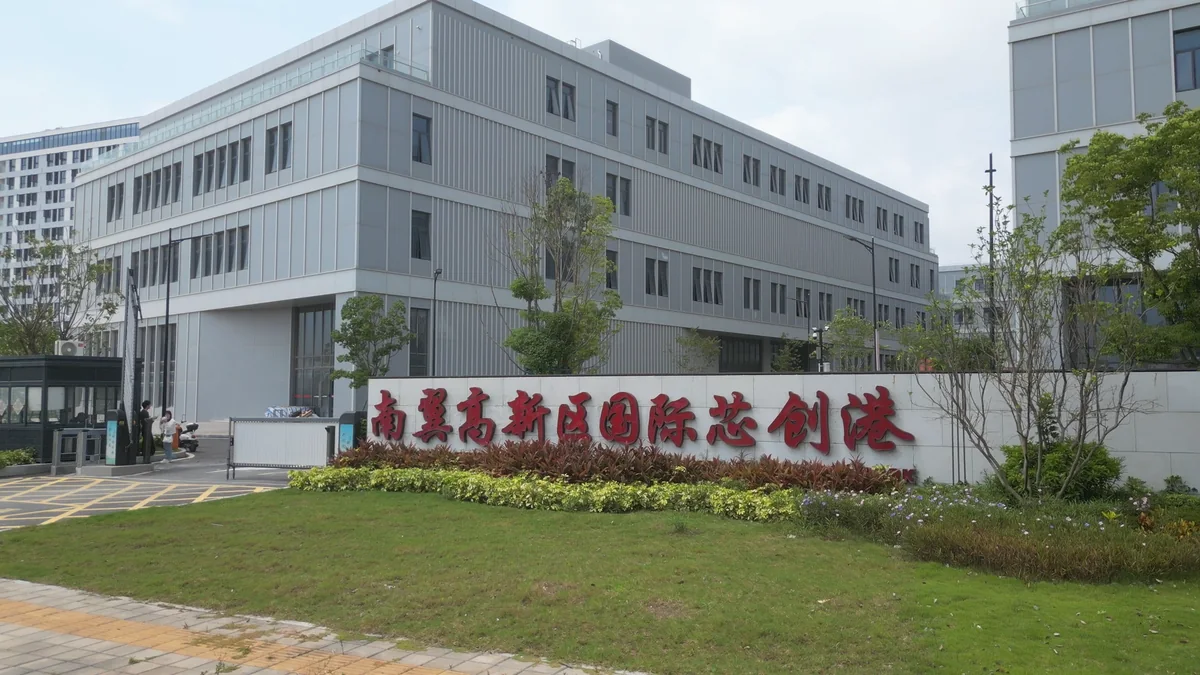
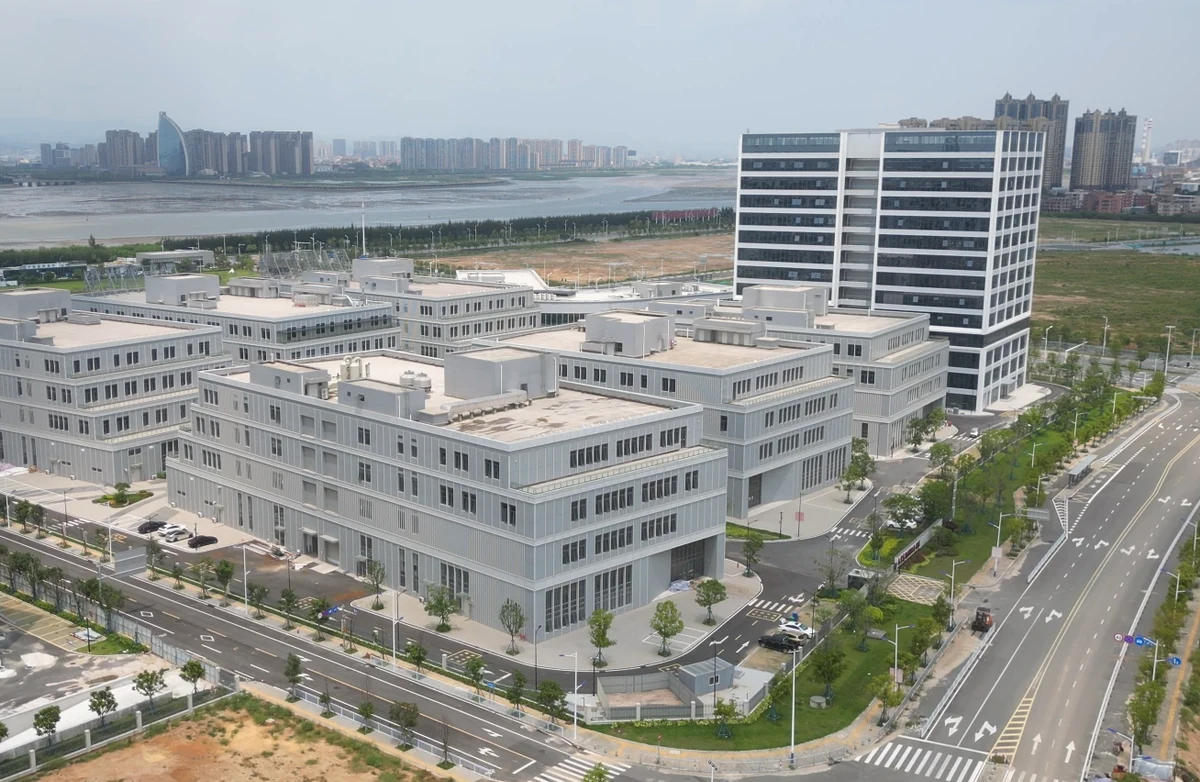
LUMIRABIO opened its Peptide and Nucleic Acid Drug Innovation Research Center at the International Xinchuang Port in Quanzhou Nanyi High-Tech Zone on September 20, 2026.
Company partners, management, the R&D team and invited guests gathered to mark the occasion.
- Published
- Updated
- By
- LUMIRABIO Editorial Team
- Reading time
- 5 min read
A new stage in R&D development
The opening brought the center's preparation and construction work to a significant milestone in LUMIRABIO's investment in research facilities, production infrastructure and people. With the center now in operation, the company has a new platform for innovative drug research and its practical application, and a foundation for further connecting laboratory work with pilot development and production.
Marking the opening together
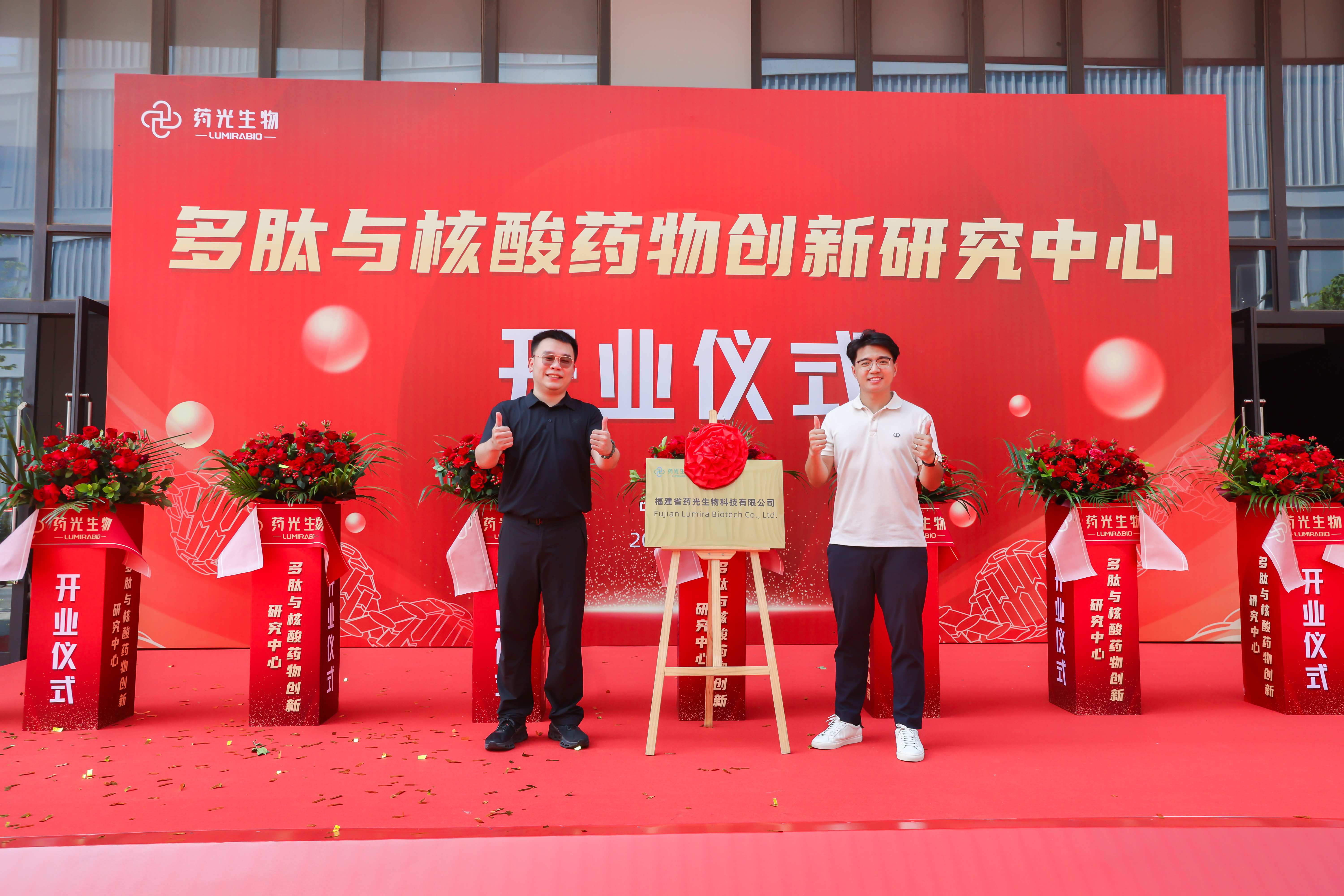
Company principals Cai Jinmiao and Chen Lusheng removed the red covering from the plaque and posed beside it to commemorate the center's opening.
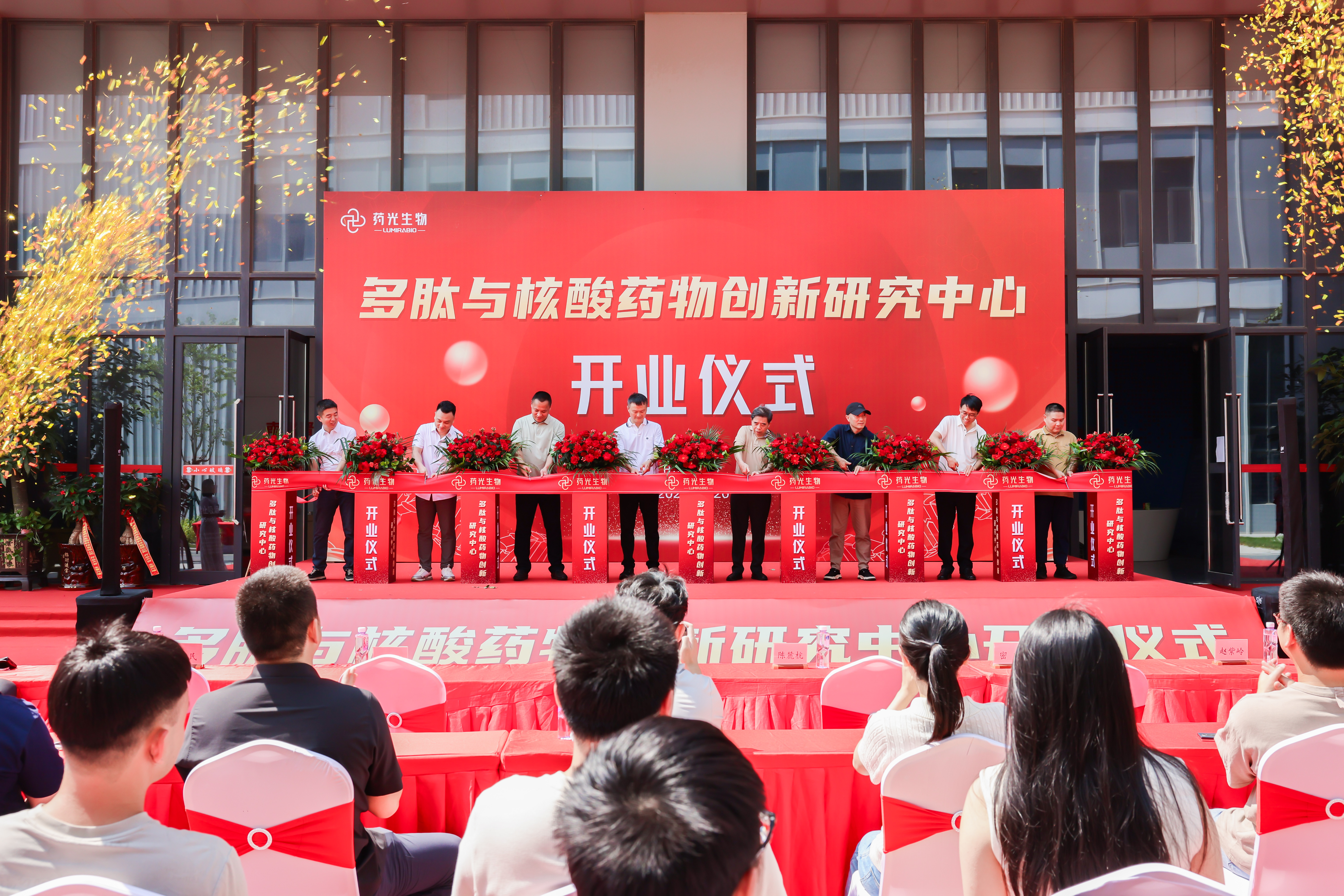
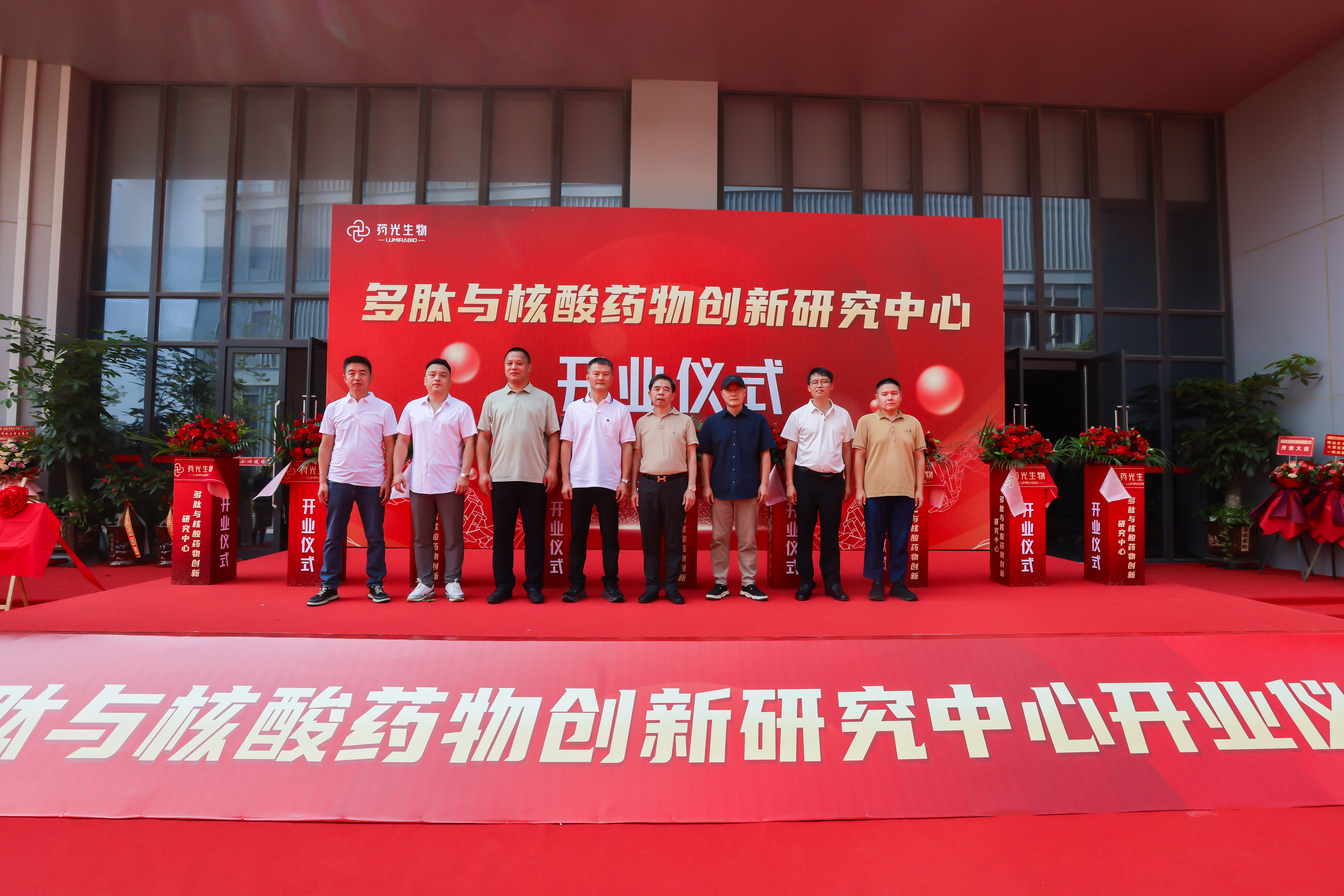
The ribbon-cutting participants included company partners Su Yiyang, Chen Luhang, Mi Liang, Lou Ming and Hou Aimin; General Manager Zhao Ziling; Purification Director Chen Yimin; and Synthesis Director Zhi Yazhou.
Company partners, management and technical leaders cut the ribbon together to celebrate the opening. Guests also toured the R&D and production work areas, pausing at observation windows and talking beside the equipment to gain a closer view of the working environment.
Connecting laboratory research with production
The center was developed within LUMIRABIO's existing operations and production network in Fujian. Located at No. 6 Guangming Road, Lingyuan Subdistrict, Jinjiang, it is connected to the broader Quanzhou-Xiamen-Kinmen life and health industry cluster. Drawing on coastal Fujian's biopharmaceutical industry and transport links, the company is progressively strengthening coordination between R&D, production, analytical testing and supply planning.
The company's production site has an aggregate peptide API capacity of 200 kg per month. LUMIRABIO has established a development pathway linking laboratory process development, kilogram-scale pilot assessment and planning for larger-scale production. This connects early technical research with scale-up, production verification and supply requirements.
The center is not a stand-alone laboratory separated from production. It builds on the company's existing resources and connects research with subsequent process development, pilot work and production needs. Its role extends beyond providing laboratory space and equipment: it is intended to maintain the connection between research and the work required to put that research into practice.

Linking peptide synthesis, purification and analysis
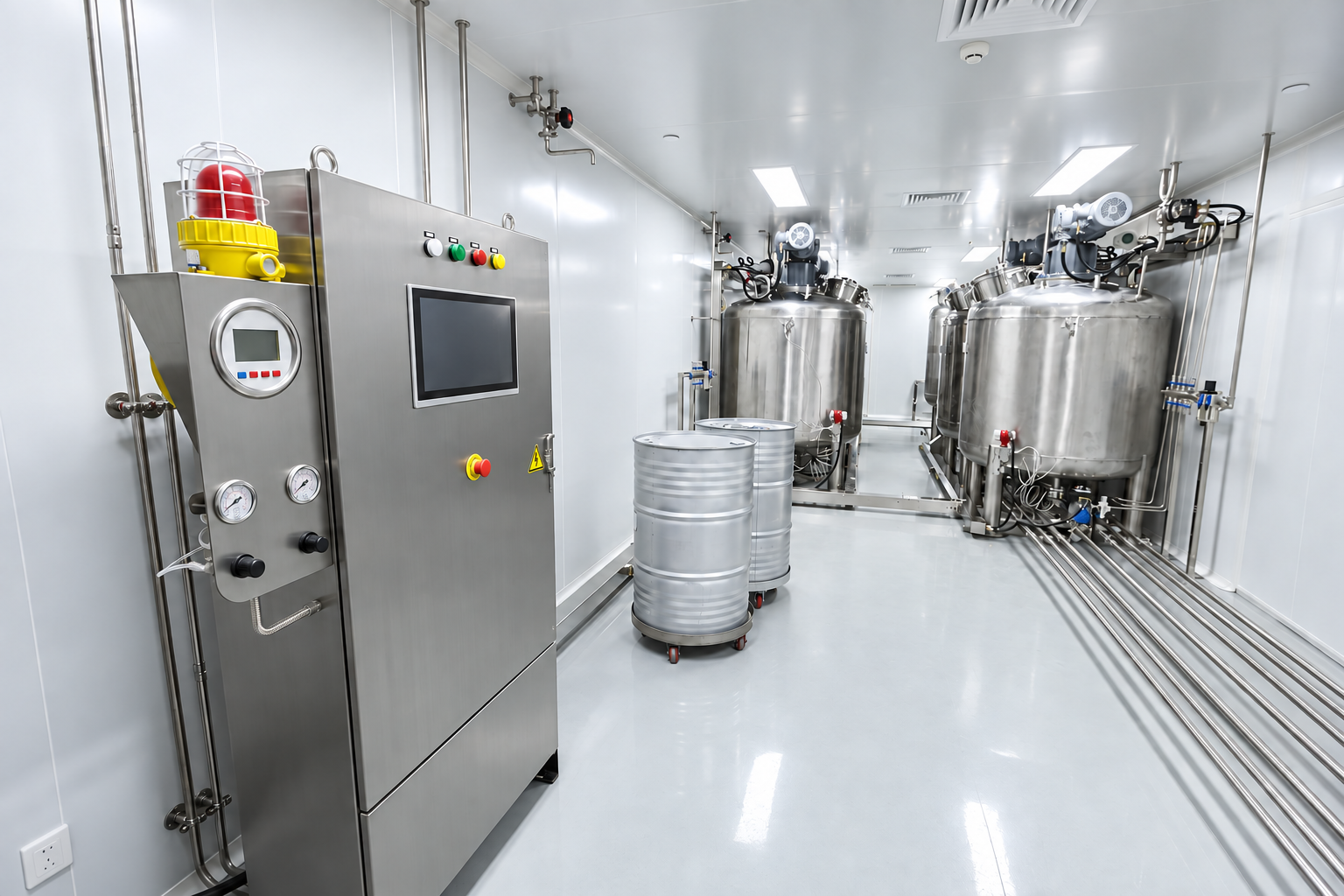
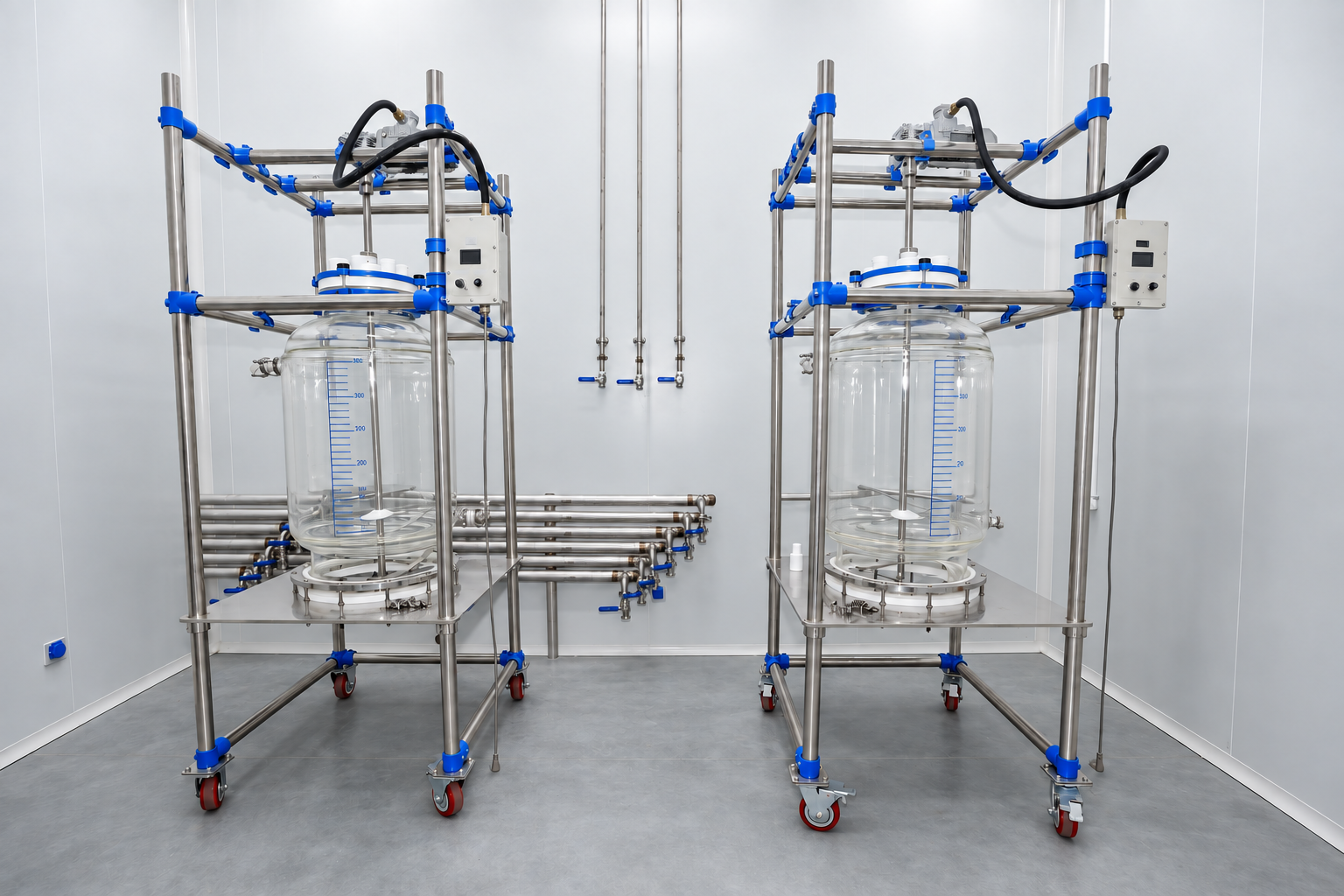
The research center and production site are equipped for peptide synthesis, preparative purification, concentration, lyophilization and analytical testing. Together, these resources support solid-phase peptide synthesis, research into molecular modification strategies, preparative high-performance liquid chromatography, liquid chromatography analysis and mass spectrometry.
These activities address different stages of process development. Synthesis and molecular modification research support early development; preparative purification, concentration and lyophilization address subsequent material processing; and analytical testing provides data for research and production. The center's development alongside the existing technical platform places this work within a broader process-development setting.
Quality research is linked to the production process. Sample identity, sampling points, test methods, quality specifications and batch records are cross-referenced to provide data for product quality control and subsequent project review.

Building on the opening
The opening marks an important result of the preparation and construction work. The center's long-term value will develop through the research, project work and collaboration that follow.
LUMIRABIO will continue to build technical knowledge and R&D capabilities around project needs, supporting the transition from laboratory research to pilot and larger-scale production. Research platforms, production facilities and technical teams will remain priorities for continued investment.
We thank the colleagues who contributed to the center's preparation and construction, and the partners and guests who joined us for the opening. September 20 marks the start of the next stage: putting the platform to work through sustained research and process development.
Next decision
Explore LUMIRABIO’s development capabilities
Explore peptide synthesis, purification, analysis and process development.
Related reading
More Company News

Jinjiang Mayor Wang Xiaoyang Leads Official Delegation to LUMIRABIO for On-Site Visit and Strategic Exchange
5 min read