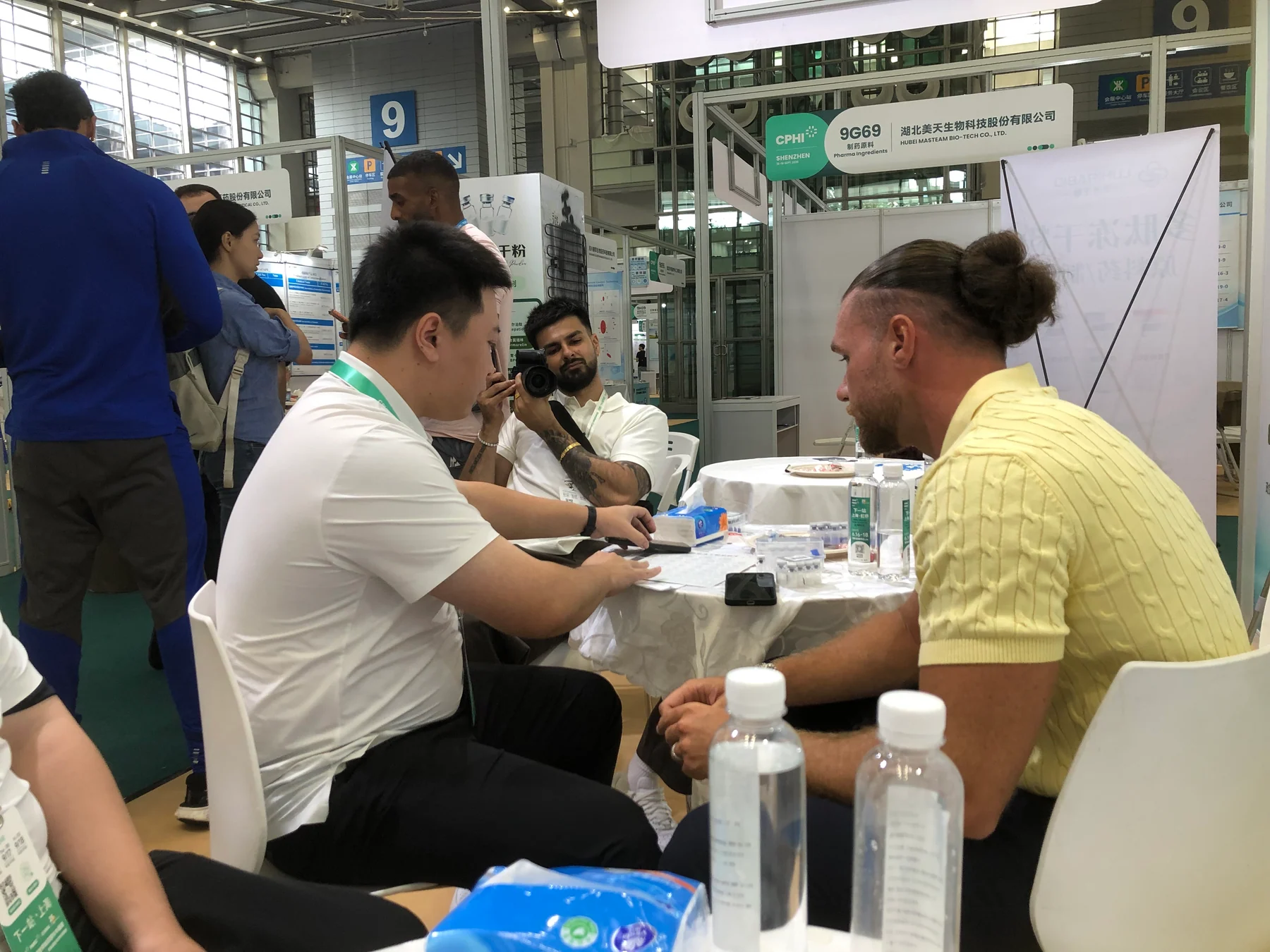
Event Preview · CPHI & PMEC Shenzhen 2026
LUMIRABIO at CPHI & PMEC Shenzhen 2026: A Documentation-First Approach to Peptide API Sourcing
CPHI & PMEC Shenzhen brings ingredients, biotechnology, manufacturing, quality and market-access teams into one professional setting.
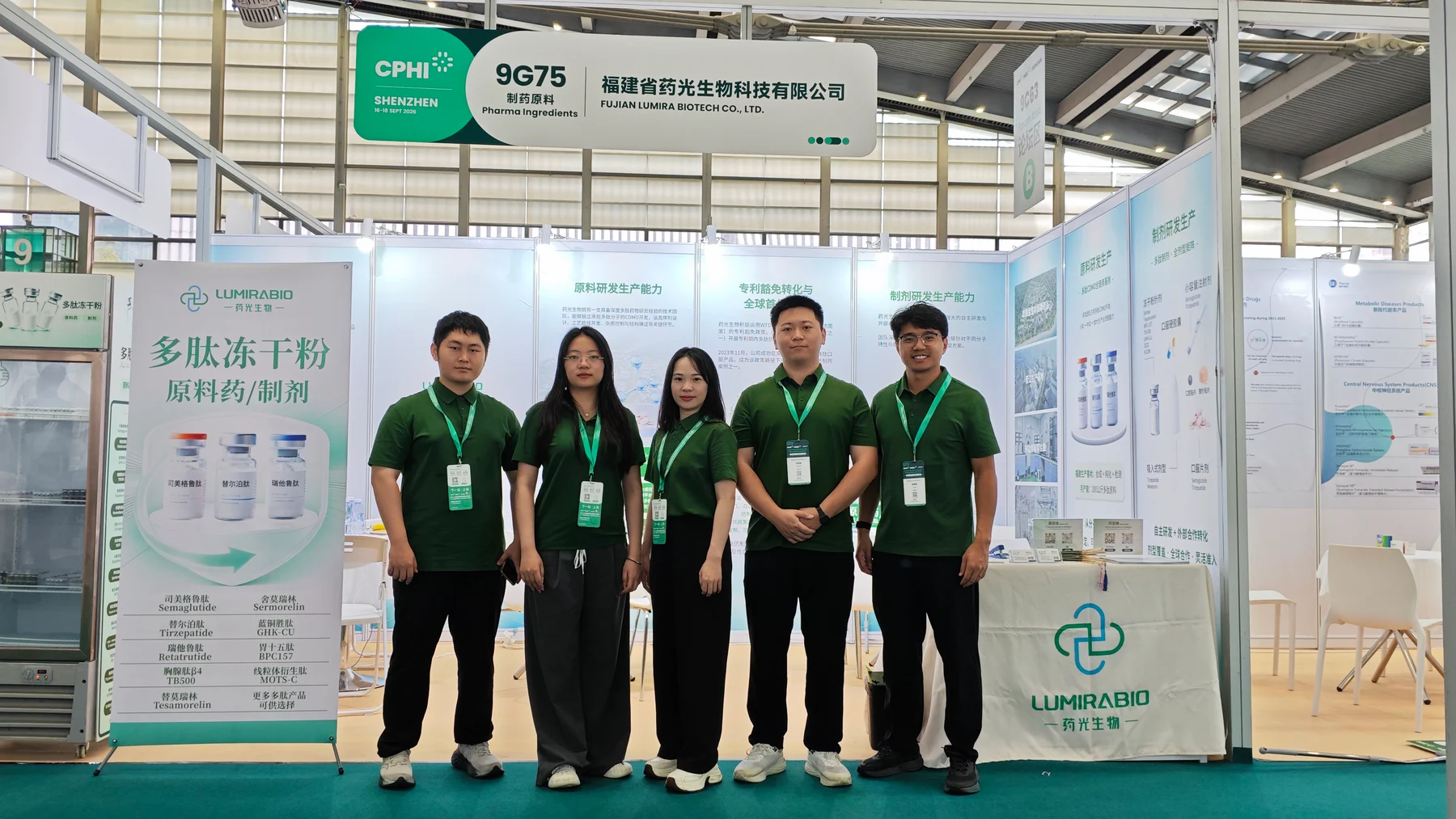
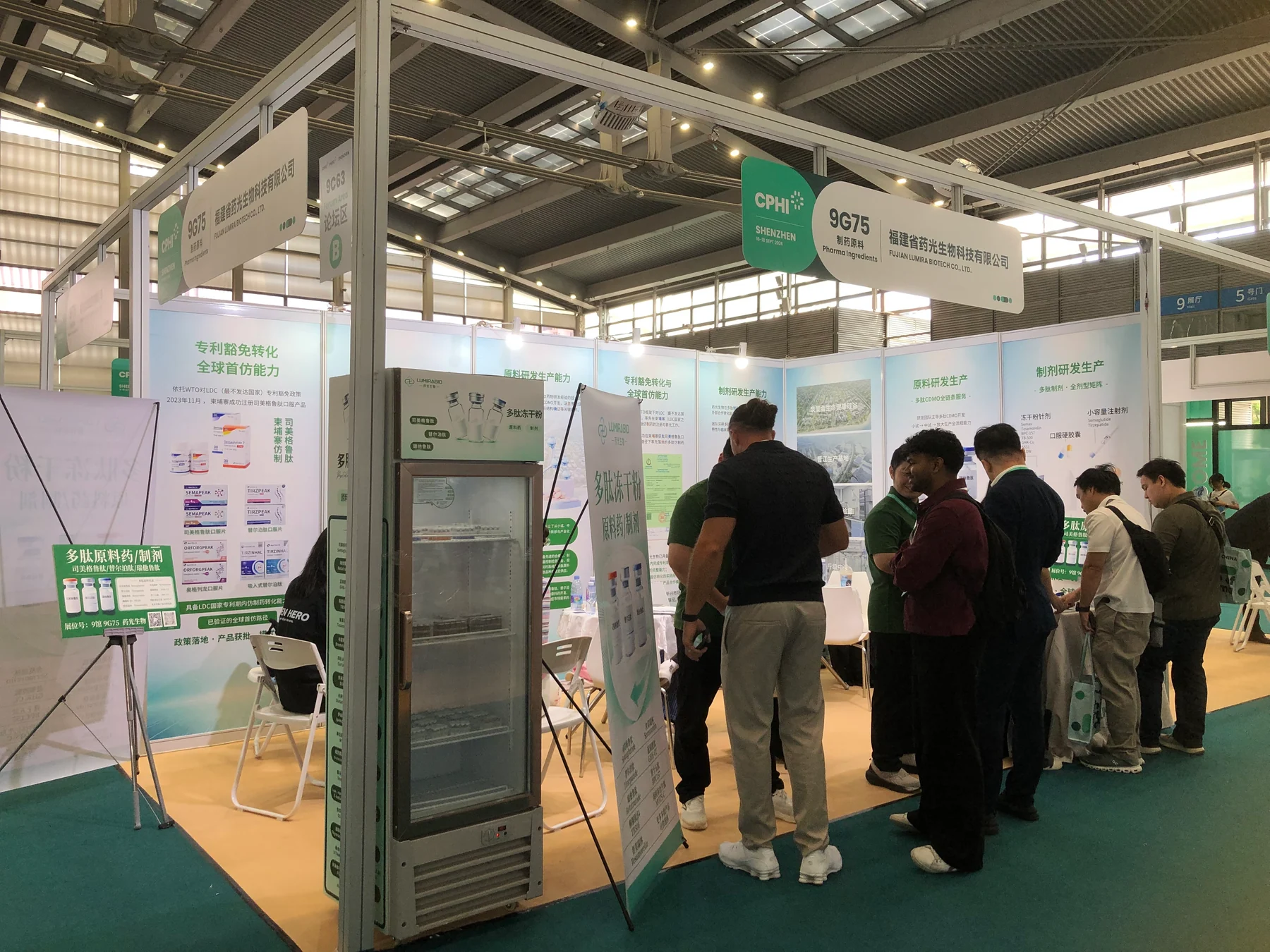
At Hall 9 Booth 9G75, LUMIRABIO will focus on the evidence and project boundaries required to turn a peptide name into a reviewable B2B API requirement.
- Published
- Updated
- By
- LUMIRABIO Editorial Team
- Reading time
- 8 min read

Key takeaways
- CPHI & PMEC Shenzhen 2026 runs from 16–18 September at the Shenzhen Convention & Exhibition Center in Futian.
- The organizer expects more than 15,000 professional visits, 800 exhibitors, 30,000 square metres of exhibition space and over 20 conferences and activities.
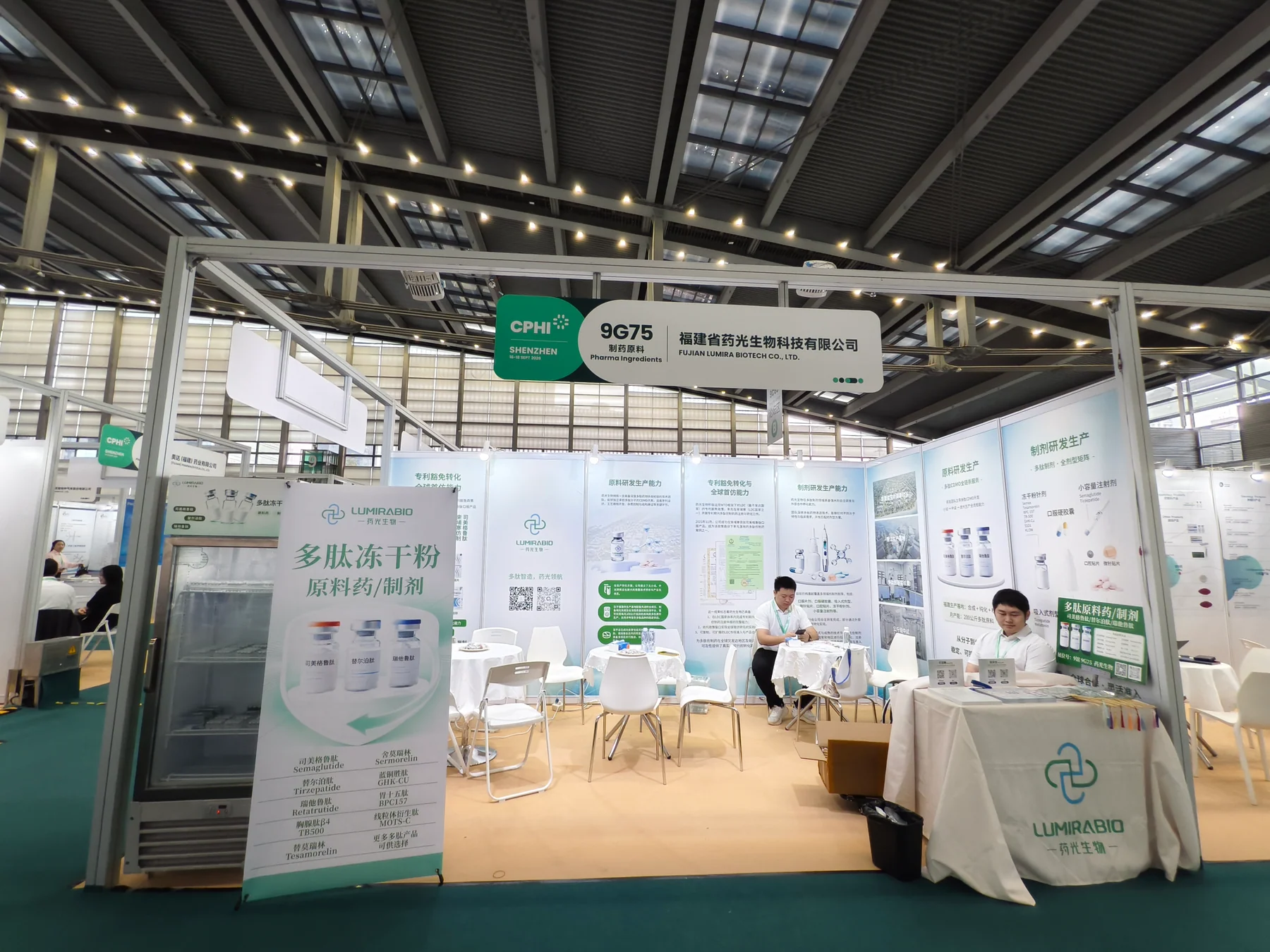
- LUMIRABIO's exhibitor materials identify Hall 9, Booth 9G75, with a 15-square-metre stand in the pharmaceutical-ingredient area.
- The exhibition discussion will remain focused on Semaglutide API, Tirzepatide API and investigational Retatrutide API.
- Peptide API qualification should connect exact identity and form with specification, impurity control, analytical methods, batch evidence, site responsibility and target-market review.
- Exhibition interest becomes a viable project only after technical, quality, regulatory, legal and commercial scope is documented.
CPHI & PMEC Shenzhen 2026 at a glance
CPHI & PMEC Shenzhen 2026 is scheduled for 16–18 September at the Shenzhen Convention & Exhibition Center in Futian.
Organizer materials describe a 30,000-square-metre event with more than 15,000 professional visits, over 800 exhibitors and more than 20 conferences and activities.
The exhibition spans pharmaceutical ingredients, natural products, excipients, biotechnology, contract services, finished dosage, machinery and packaging, drug-delivery systems, clean technology, smart manufacturing, laboratory equipment and related fields.
That breadth makes Shenzhen useful for cross-functional decisions.
A peptide API project may involve discovery or CMC, analytical and quality teams, procurement, manufacturing, regulatory, legal, logistics and market-access owners.
The exhibition can bring those questions into one conversation, but it cannot replace their formal review.
Why process, quality and market access lead the 2026 agenda
The organizer frames the 2026 Shenzhen event around new-drug R&D, process optimization, smart manufacturing and application innovation.
Its pharmaceutical quality conference is expected to address API process optimization, quality control, supply chains and market access, while the Next Pharma forum includes peptides among its frontier-technology topics.
These themes mirror the practical challenges of complex peptide programs.
A nominal molecule can still differ by supplied form, counter-ion, modification state, impurity profile, analytical method, reference standard, packaging, stability and documentation status.
Digital systems and smart manufacturing can improve control and traceability, but they do not eliminate the need to define the product, process, method, batch, responsible entity and applicable market.
Evidence must remain connected to the exact decision being made.
Meet LUMIRABIO in Hall 9, Booth 9G75
LUMIRABIO's exhibitor floor plan and company invitation identify a 15-square-metre stand at Hall 9, Booth 9G75.
The location sits within the hall's pharmaceutical-industry environment and is intended for qualified B2B technical and sourcing discussions.
The public LUMIRABIO portfolio is deliberately limited to Semaglutide API, Tirzepatide API and Retatrutide API.
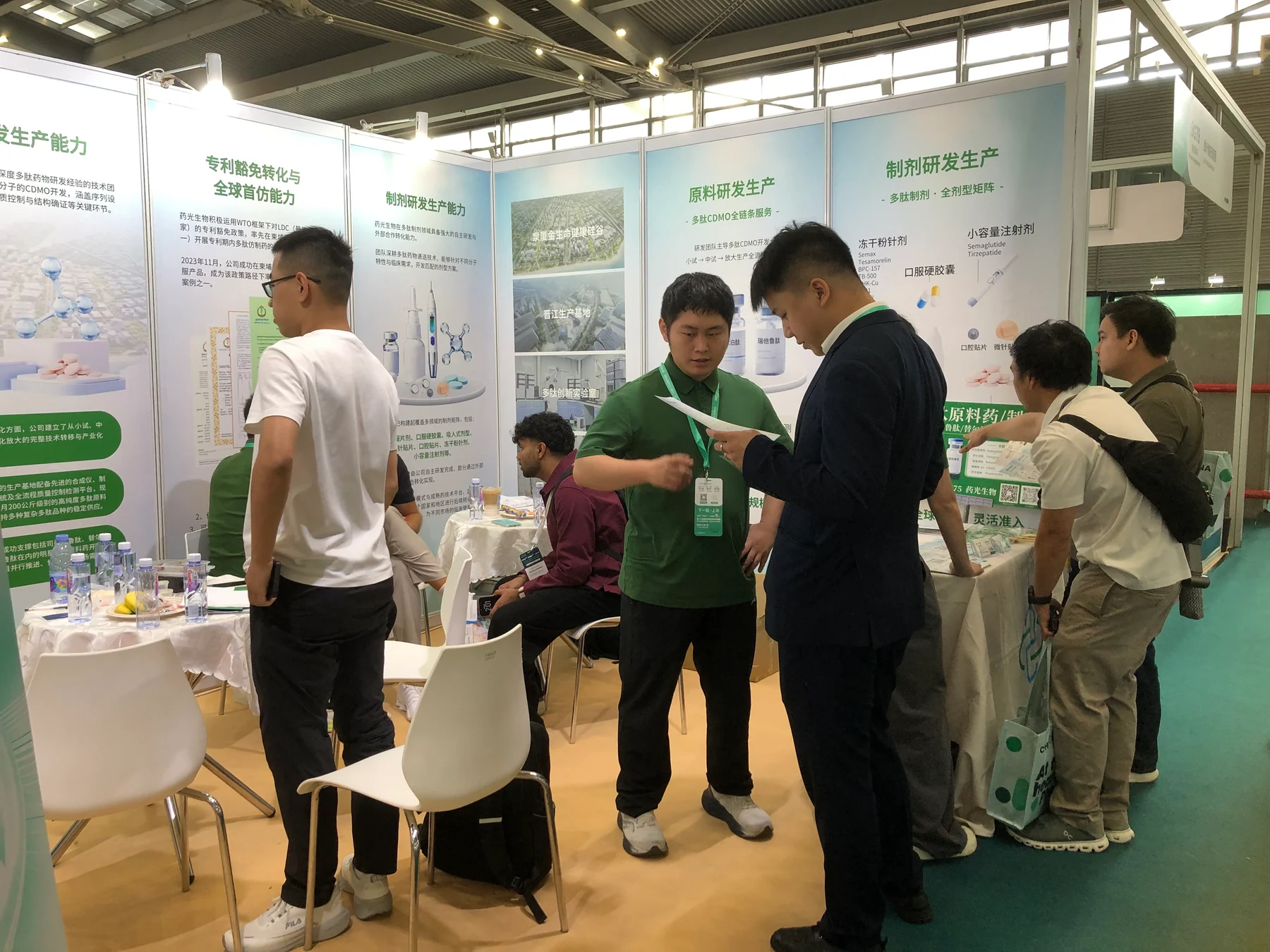
The team will use the exhibition to discuss how molecular identity, requested material, project stage, documentation and destination shape the next review step.
A booth meeting does not establish commercial availability, approval, freedom to operate, document sufficiency or suitability for a particular use.
Those conclusions require a defined customer, project, market, responsible parties and evidence set.
A focused three-product peptide API portfolio
Semaglutide API and Tirzepatide API discussions begin with the exact proposed material rather than with a finished-medicine brand.
Teams should align form, reference identity, specification, analytical package, batch documentation, site and entity responsibility, intended use and target market.
Retatrutide is a GIP, GLP-1 and glucagon receptor agonist that remains investigational.
LUMIRABIO keeps it within an investigational API and qualified-institution boundary.
It is not approved for public use and is not presented as a finished medicine, consumer product or personal-use route.
For all three identities, the applicable specification, method, batch evidence, documentation, availability, manufacturing and supply responsibility, market eligibility and intellectual-property position are confirmed during project qualification.
A documentation-first framework for peptide API qualification
The most productive CPHI conversations move quickly from a product name to a structured evidence request.
The objective is not to collect the largest document bundle; it is to connect each decision to the right record and owner.
- Identity and form: sequence or construct, modification, counter-ion, supplied form and reference source.
- Specification and methods: tests, limits, method status, system suitability and unresolved analytical constraints.
- Impurity control: related peptides, process- and degradation-related risks, residual solvents, water and other applicable attributes.
- Batch and site evidence: sample or batch identity, manufacturing and release responsibility, traceability and change control.
- Program context: intended use, stage, quantity, packaging, storage, destination and timeline.
- Eligibility: target-market regulatory pathway, customer qualification, intellectual-property review and permitted commercial scope.
What to prepare before a Booth 9G75 meeting
A one-page meeting brief can make a short exhibition discussion materially more useful.
Include the molecule, requested form, project stage, intended use, target market, specification, estimated quantity, required documents, destination and decision timeline.
Separate firm requirements from open questions.
If the exact form, method, packaging or market pathway is not yet fixed, identify the decision owner and the evidence needed to choose among options.
Before the meeting ends, agree on owners, confidentiality needs, requested records, unanswered technical questions and the next review date.
This turns the exhibition contact into a controlled qualification workflow.
Continue the discussion after Shenzhen
CPHI & PMEC Shenzhen provides a strong setting for connecting peptide science with process, quality, manufacturing and supply decisions.
The value of the meeting is measured by the clarity of the next step, not by a generic product exchange.
Qualified pharmaceutical, biotechnology, CMC, quality, regulatory and procurement teams can meet LUMIRABIO at Hall 9, Booth 9G75 from 16–18 September 2026.
Visitor registration and current attendance guidance should be confirmed through the organizer's official website.
Continue with the applicable molecular review.
Sources and publication record
- 01CPHI & PMEC Shenzhen: official 2026 event overview
- 02CPHI & PMEC Shenzhen: official Chinese event facts and conference topics
- 03CPHI & PMEC Shenzhen: official exhibitor schedule
- 04PubChem: Semaglutide, CID 56843331
- 05PubChem: Tirzepatide, CID 156588324
- 06Eli Lilly: July 2026 retatrutide investigational-status update
- 07
LUMIRABIO exhibitor floor plan and invitation: Hall 9, Booth 9G75, 15 m² (internal event record reviewed 17 August 2026)
Next decision
Bring a defined peptide API brief to Booth 9G75.
Share the molecule, requested form, intended use, target market, specification, quantity, destination and document needs for a qualified follow-up.